
Knowledge Hub
Furnace engineering, explained
Guides and insights for furnace engineers, plant managers and researchers — written by the people who build the modules.
 Technical Guides
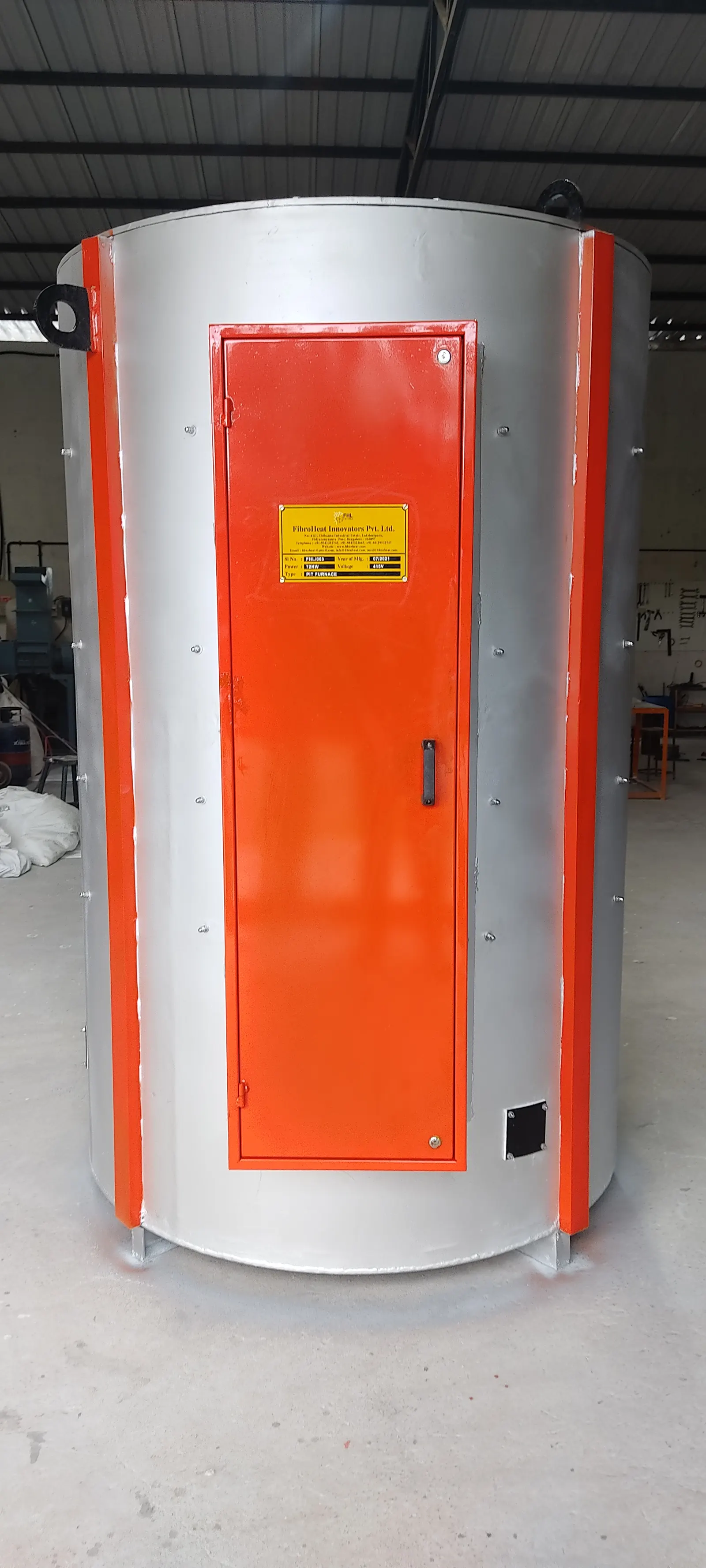
What Are Vacuum-Formed Ceramic Fiber Modules? A Technical Guide for Furnace Engineers
Vacuum-formed ceramic fiber modules explained: how they are made, FHL-VAC grades to 1550°C, real datasheet values, available formats, and selection rules.
Read article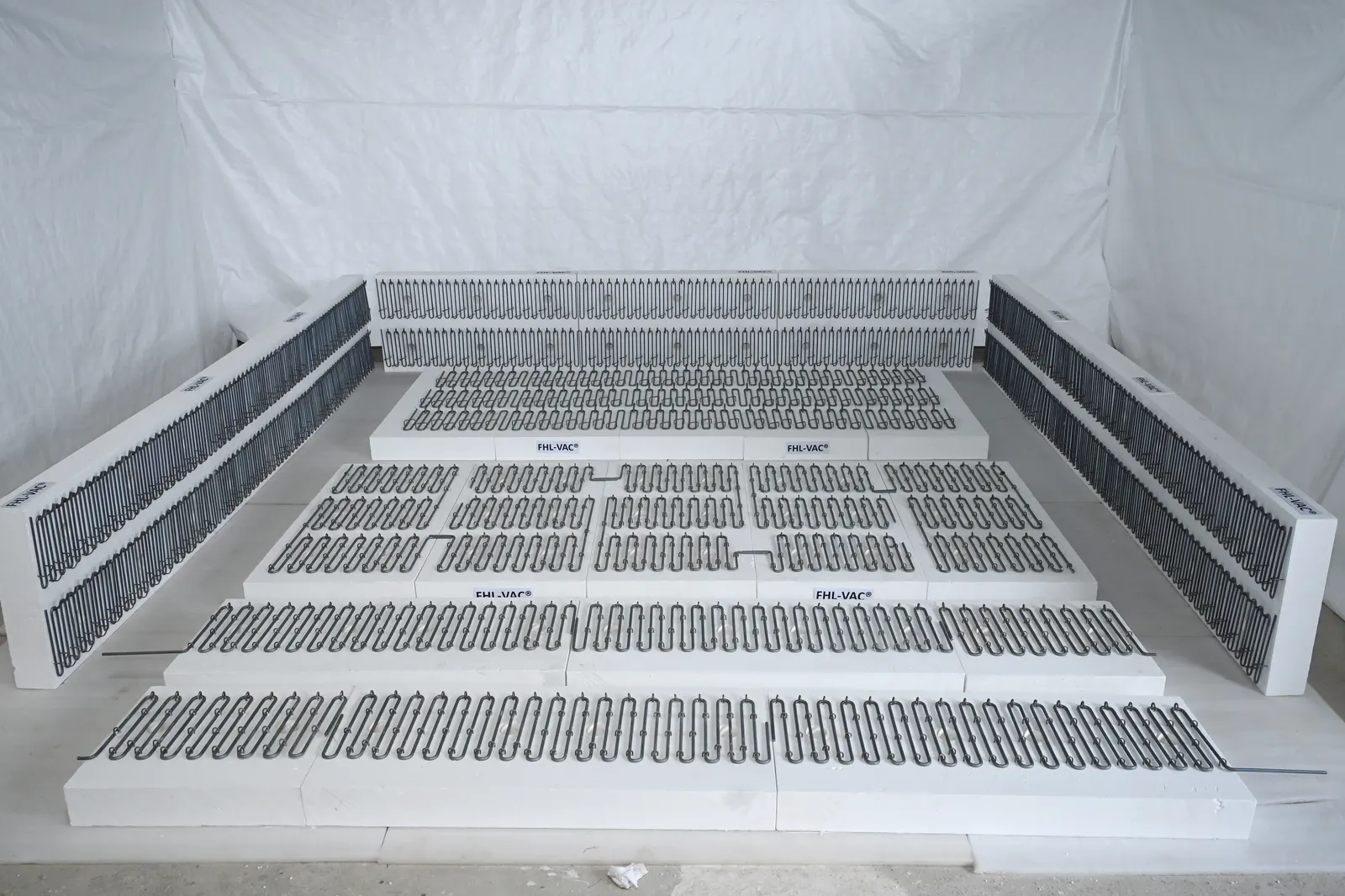 Energy Efficiency
Ceramic Fiber Modules vs. Firebrick: Which Cuts Furnace Energy Costs More?
Ceramic fiber modules vs. firebrick compared on thermal mass, conductivity, installed cost, and energy loss — with real FHL-VAC data for linings to 1550°C.
Read article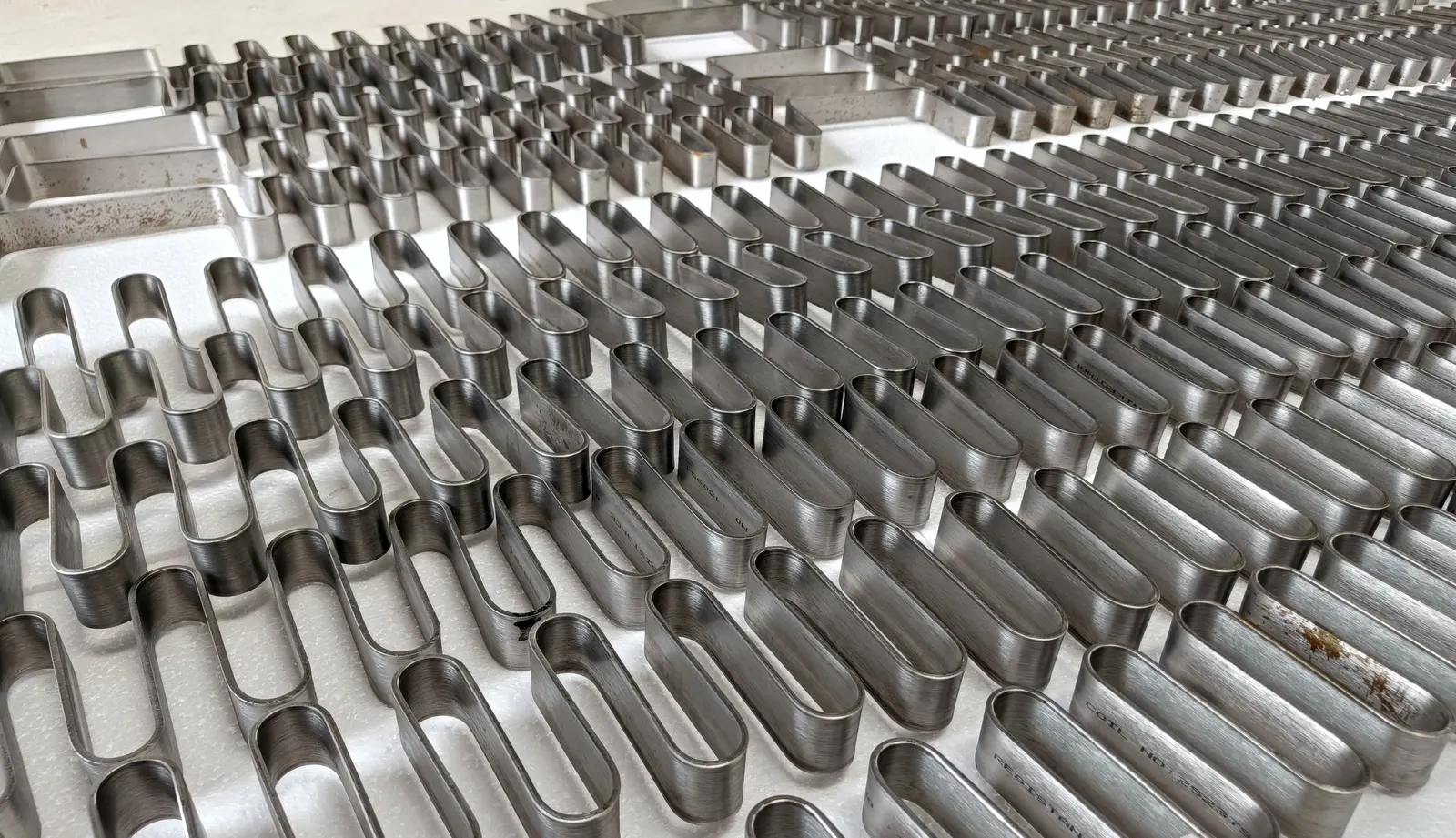 Heating Elements
Fe-Cr-Al vs. Ni-Cr Heating Elements: Choosing the Right Alloy for 1100–1400°C Duty
Fe-Cr-Al vs. Ni-Cr heating elements compared: temperature limits to 1420°C, resistivity, element life, atmospheres, and how to specify the correct alloy.
Read article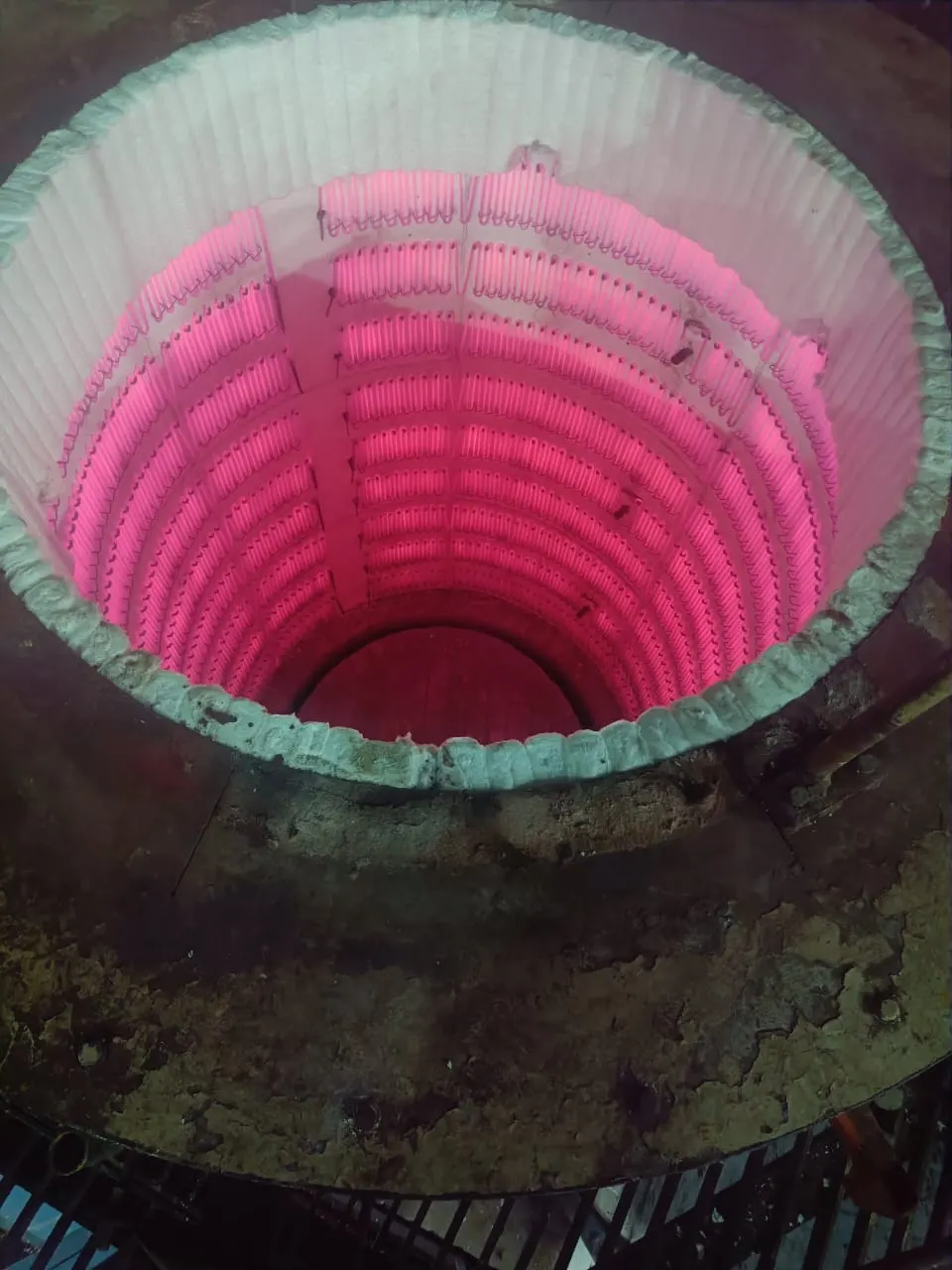 Energy Efficiency
Furnace Relining & Retrofitting: 5 Ways Low-Mass Modules Cut Energy Consumption
Furnace relining with low-mass ceramic fiber modules delivers energy-efficient batch duty — five mechanisms, typical figures, and payback steps.
Read article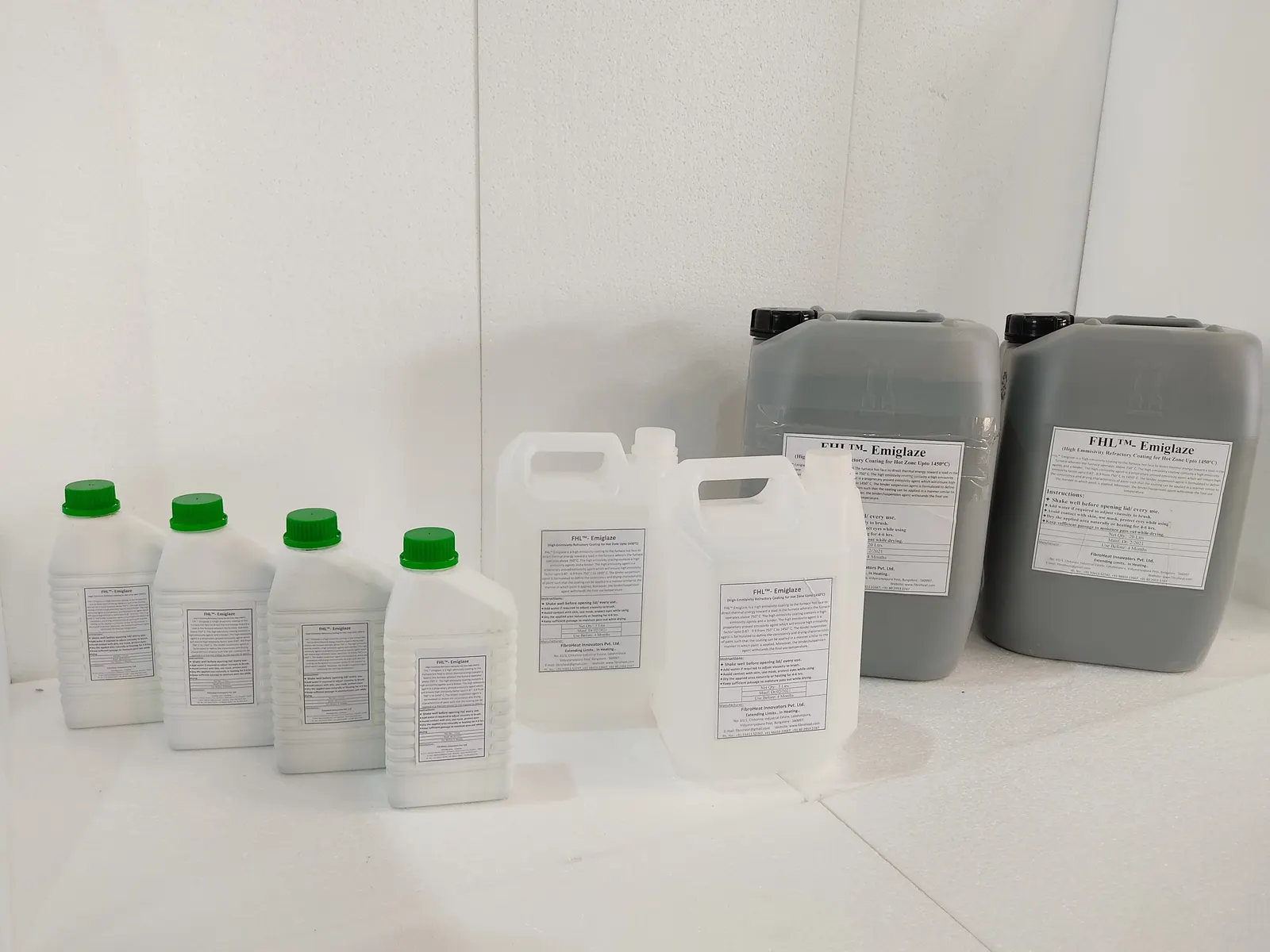 Technical Guides
High-Emissivity Coatings: How FHL® Emiglaze Improves Furnace Thermal Efficiency
High-emissivity furnace coatings like FHL® Emiglaze raise wall emissivity so more radiant heat reaches the load — typical savings of 5–15% above 1000°C.
Read articleLet's build your upgrade
Do you want to extend the limits in heating?
Send us your furnace details — our engineers will respond with a technical proposal and quotation.